Unpacking the Multi-Classification Conundrum
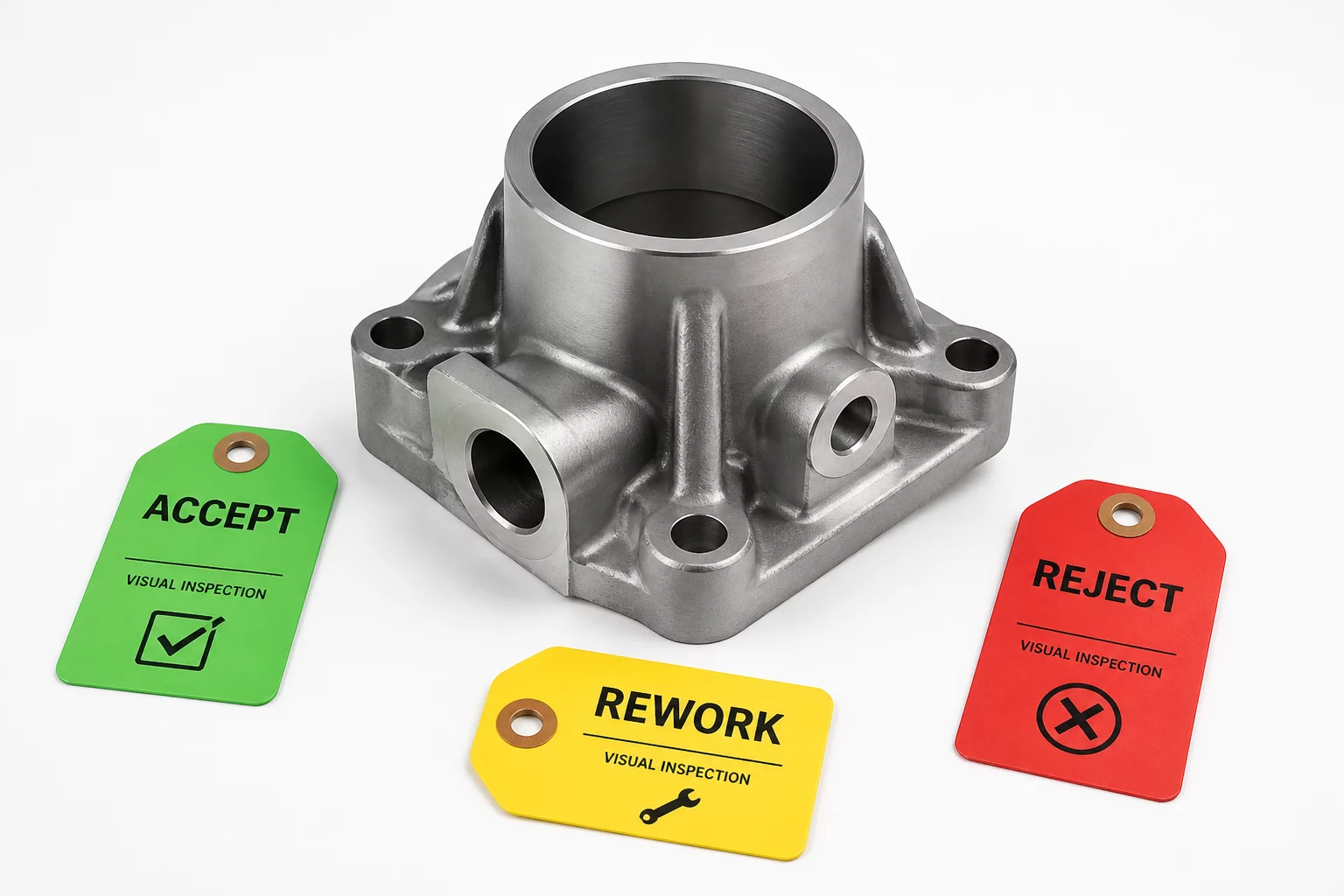
During a rigorous cross-shift audit of precision-machined brackets, a single component was independently evaluated by three experienced quality specialists, resulting in three conflicting classification dispositions: Surface Oxidation, Structural Microporosity, and Acceptable Cosmetic Variation.
The bracket displayed subtle micro-pitting alongside an uneven thermal tint left by induction curing. Because facility guidelines treated metallurgical integrity and cosmetic acceptance across disconnected procedure chapters, each reviewer relied on their dominant technical lens. The machining technician focused on pit depth and logged structural microporosity; the finishing specialist evaluated discoloration and flagged surface oxidation; the final assembly auditor verified planar fit and recorded acceptable cosmetic variation.
This occurrence demonstrates how taxonomy overlaps distort inspection databases. When multiple labels possess equal procedural weight for a compound condition, defect tracking generates conflicting statistical trends, confusing downstream engineering teams and obscuring real manufacturing root causes.
When three certified inspectors assign three equally defensible labels to the exact same part, the issue is rarely inspector eyesight—the failure belongs entirely to the taxonomy hierarchy.
— Michael Brown, Lead Quality Auditor
Eliminating Category Overlap Across Inspection Stations
Resolving multiple valid labels requires transforming open-ended category selections into an unambiguous, sequential decision pathway. When rubrics lack clear operational precedence, mental fatigue under high production cadence triggers random categorization habits.
- Enforce Severity Hierarchy: Require structural and functional defect definitions to preempt surface or aesthetic classifications whenever compound anomalies occur.
- Consolidate Ambiguous Sub-Buckets: Merge overlapping aesthetic minor codes into a unified tolerance bracket to reduce cognitive strain during cycle times.
- Install Direct Visual Master Coupons: Place high-contrast photographic boundary limits directly above inspection fixtures showing acceptable versus rework thresholds.
Following the deployment of this structured categorization tree across pilot lines, re-inspection escalation requests plummeted by 41% while inter-rater consensus climbed from 71% to 94.6% within two production cycles.