Visual Assessment Studies
How Specialists Classify Borderline Cases
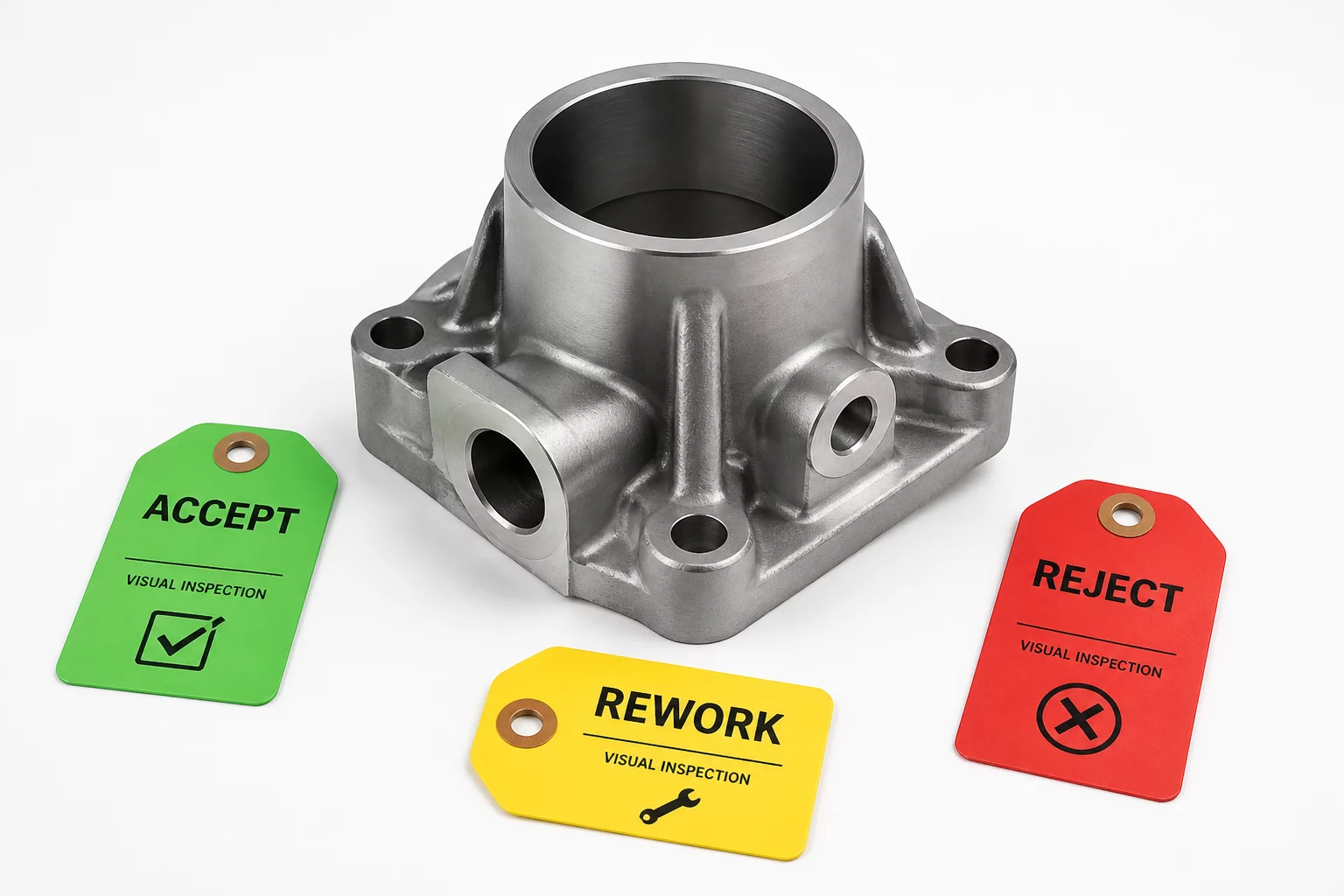
Comparative examinations of physical objects where visual judgment, surface thresholding, and subjective categorization diverge across evaluators.
Why do reviewers disagree about the same item? Classify Twice explores inspection judgments, ambiguous categories, repeat assessments, and the decisions behind rating consistency through independent visual case studies.
A systematic look into how QA teams and visual inspectors align definitions, map classification boundaries, and document edge cases from day one.
Review of current boundary samples, ambiguity logs, and lighting parameters across existing inspection lines. Identification of recurring variance points between evaluators.
Side-by-side classification trials where two evaluators label identical items independently. Disagreements are cataloged systematically to establish objective reference boundaries.
Finalization of consolidated classification references, boundary arbitration workflows, and ongoing peer review schedules for the inspection cohort.
Connecting quality analysts and visual reviewers across critical manufacturing, sorting, and testing territories through remote workflows.
Standardized visual inspection protocols applied across primary processing hubs in North America, Western Europe, and key regional partner facilities.
Audits, peer discrepancy resolving, and secondary reviews occur synchronously through calibrated digital workstations and secure channels.
Flexible scheduling across overlapping shifts ensures critical sample arbitrations and inspection consensus reports are delivered without bottlenecks.
Need immediate regional coordination or remote visual audit setup?
We examine visual inspection dilemmas, categorization disputes, and inter-rater reliability inquiries directly. Write directly to our research desk for focused methodological dialogue.
Email your inspection context, notes on ambiguous samples, or category definition clashes straight to our mailbox. No predefined fields restrict your context.
Our quality specialists and visual analysts examine the submitted scenario against established criteria, discrepancy models, and baseline variations.
You receive a detailed technical assessment detailing plausible perceptual divergence points and category calibration options within two business days.
All inquiries are treated with strict editorial confidentiality and analyzed by senior inspection specialists.
Before our team examines inspection variance and judgment friction, we need clear baseline artifacts and operational choices from your quality leadership.
A curated set of at least ten physical items or specimens representing the fuzzy boundary between acceptable and non-conforming status.
The standard operating procedure manual and grading criteria currently issued to floor inspectors and quality technicians.
Raw grading records where two or more operators evaluated the same product batch and reached conflicting classifications.
Detailed parameters regarding ambient illumination, view angles, optical aids, and allotted inspection seconds per piece.
Selection of the preferred mechanism to break deadlocks when two frontline specialists disagree on a sample grade.
Clear managerial decision on whether your workflow prioritizes broad sorting buckets or narrow, highly granular defect classes.
Agreement on the acceptable baseline divergence percentage across operator shifts before corrective reviews trigger.
Determination of the recurrent cycle for golden sample audits, reference swatch renewals, and team alignment check-ins.
Reliable communication channels, structured operating schedules, and committed resolution benchmarks for inspection teams and visual quality auditors.
Immediate post-deal communication via encrypted messenger and dedicated technical review lines for active QA agreements.
Active monitoring shifts coordinated across major inspection cycles and manufacturing handoff intervals.
Definite turnaround windows established for classification queries, sample reviews, and procedural adjustments.
Urgent classification discrepancies stalling live batches
Calibration notes, category adjustments & guidance
Detailed retrospective reporting and full consensus briefs
Comparative examinations of physical objects where visual judgment, surface thresholding, and subjective categorization diverge across evaluators.