The Architecture of a Repeatable Inspection Sequence
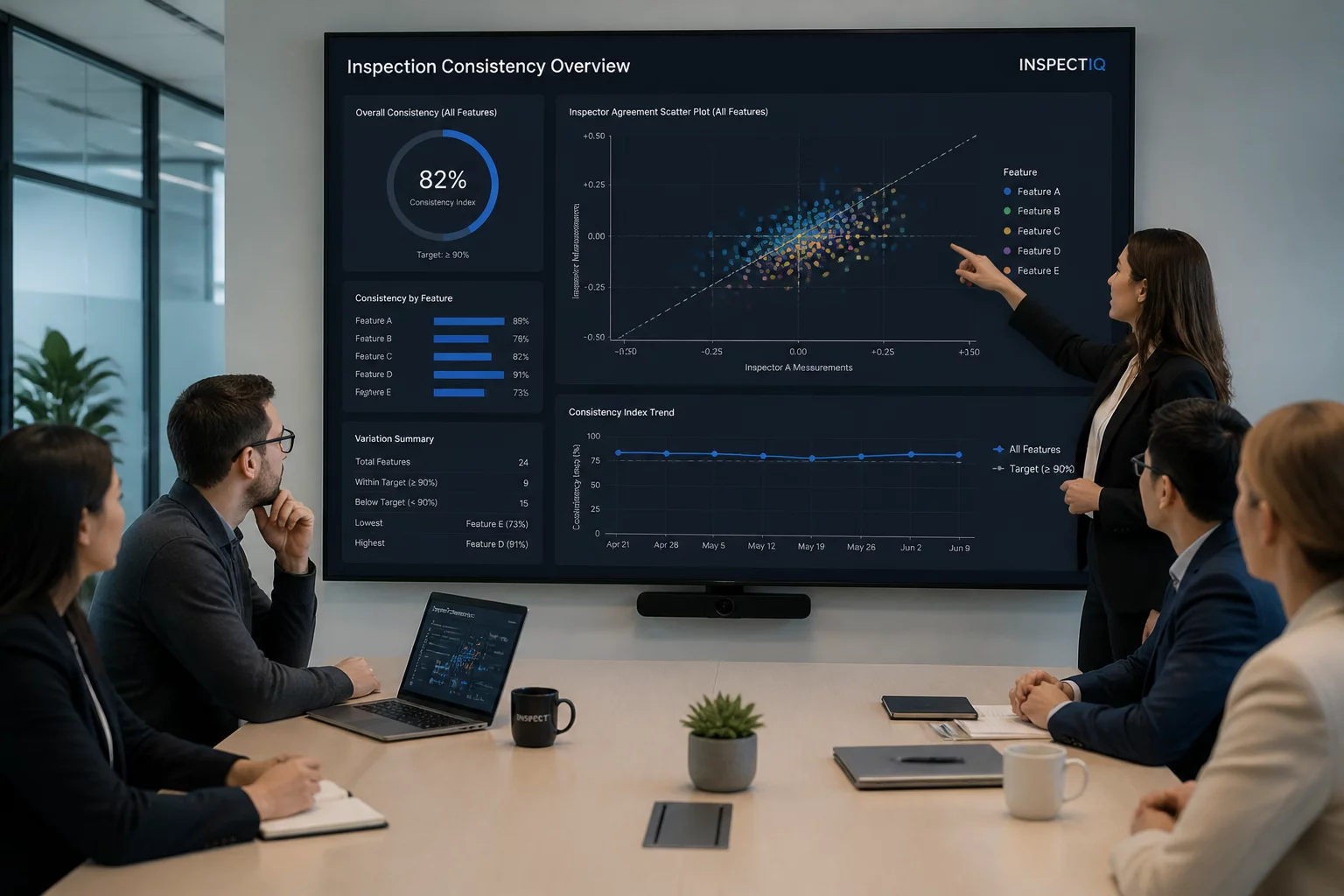
Human evaluation of manufactured parts, digital assets, or physical specimens routinely suffers from unstructured scanning habits. Without an explicit visual sequence, inspectors follow spontaneous gaze patterns, fixating on prominent anomalies while missing subtle structural defects located along peripheral seams. Standardizing the inspection path transforms subjective visual browsing into a disciplined, reproducible scanning protocol where every operator inspects identical zones in an identical cadence.
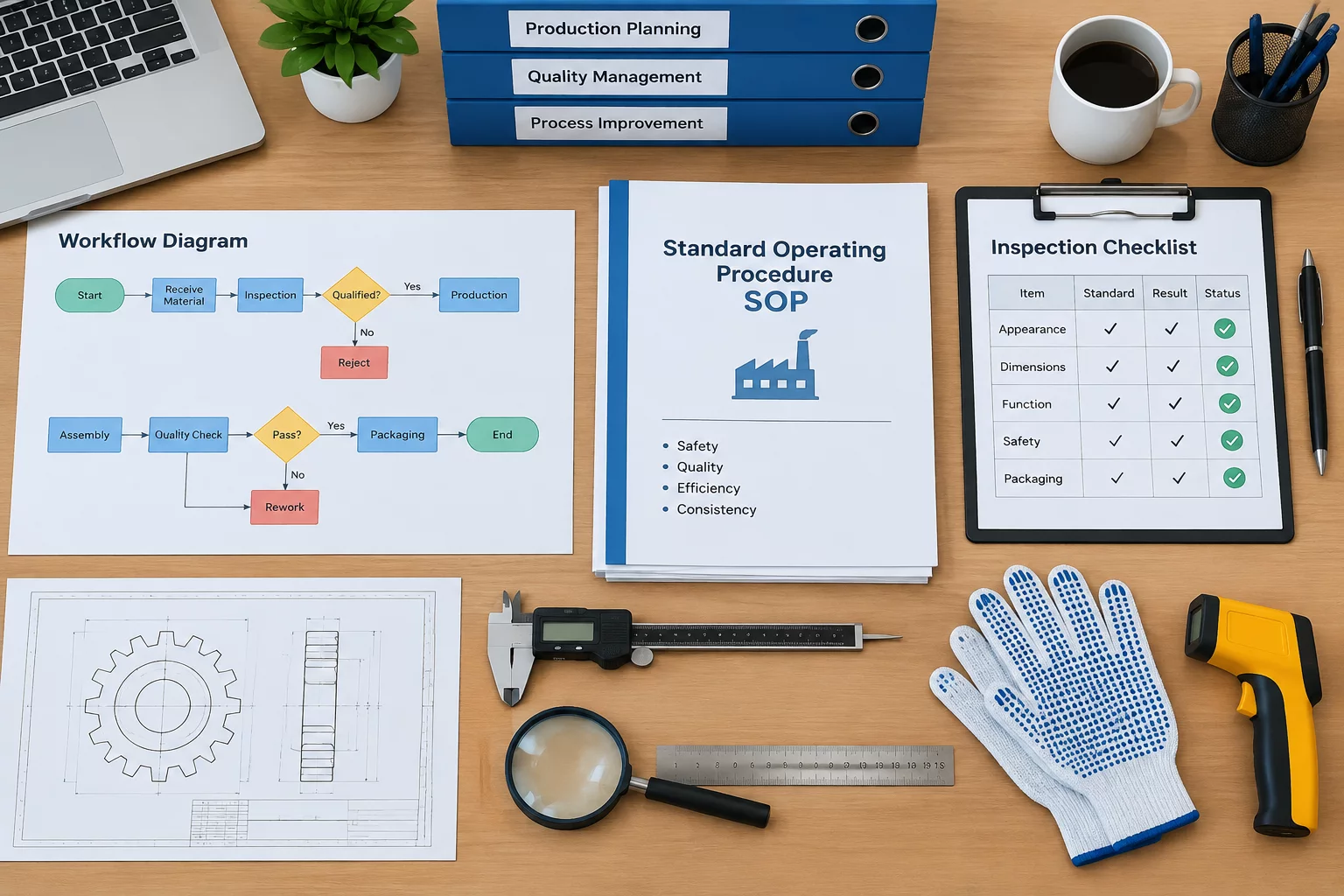
To eliminate arbitrary scanning paths, quality operations establish zoned appraisal grids. Evaluators systematically process each component from top-left datum points toward mechanical interfaces, checking dimensional alignment before assessing cosmetic finishes. This hierarchical division separates objective geometric validation from nuanced surface grading, ensuring that high-priority structural flaws are captured immediately before cognitive fatigue degrades fine visual discrimination.
Need to Audit Your Inspection Workflow?
Connect with our QA methodology specialists to calibrate inspection timing, lighting protocols, and classification trees.
Establishing Controlled Staging and Checkpoint Gates
Even well-trained operators diverge when environmental staging shifts between workstations. Variations in ambient lumen output, specimen tilt angle, and physical handling introduce optical artifacts that alter perception. Standardizing the workflow requires calibrating the physical presentation apparatus alongside operational checklists, guaranteeing that every part arrives under calibrated neutral illumination and fixed focal distances.
Implementing Checkpoint Verification Gates
Rather than relying on an open-ended terminal judgment, structured visual workflows utilize discrete decision gates at intermediate stages of the review:
- Zone Pre-Screening: Immediate rejection of gross geometric deformities within the first five seconds of handling.
- Calibrated Optical Comparison: Side-by-side verification against physical limit samples under uniform 5000K lighting.
- Consensus Flagging: Automated escalation of borderline tier-two deviations to an independent secondary assessor.
Standardize Your Line Workflows
Consult our technical leads on adapting multi-tiered visual workflows to your facility.
Methodological Takeaways
- Structured gaze progression drastically narrows inspector-to-inspector classification variance across shifts.
- Decoupling dimensional sorting from cosmetic grading prevents premature sensory saturation.
- Standardized physical staging and lighting baselines are foundational prerequisites for procedural repeatability.
Related Methodological Research