The Hidden Bias of Ambient Illumination
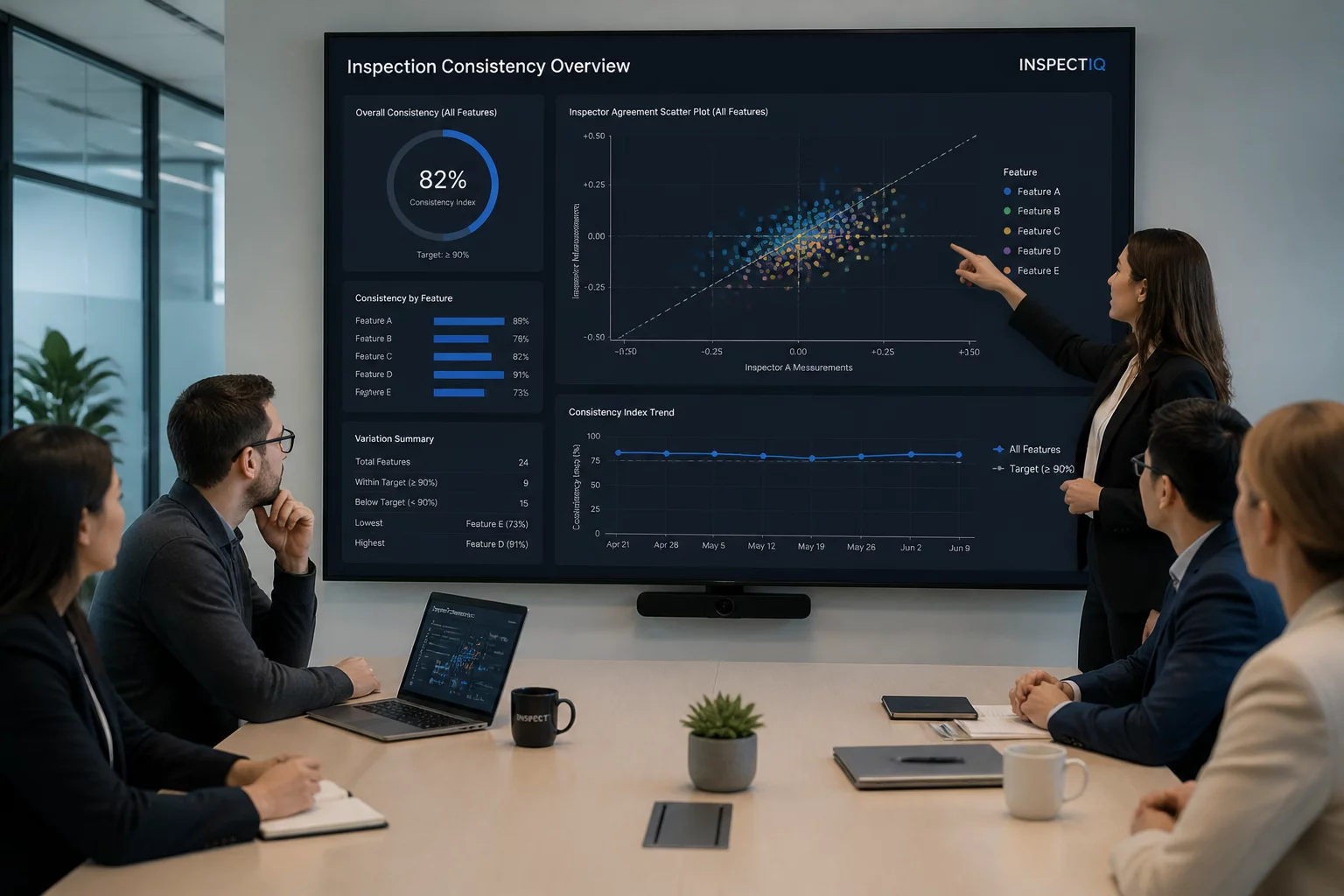
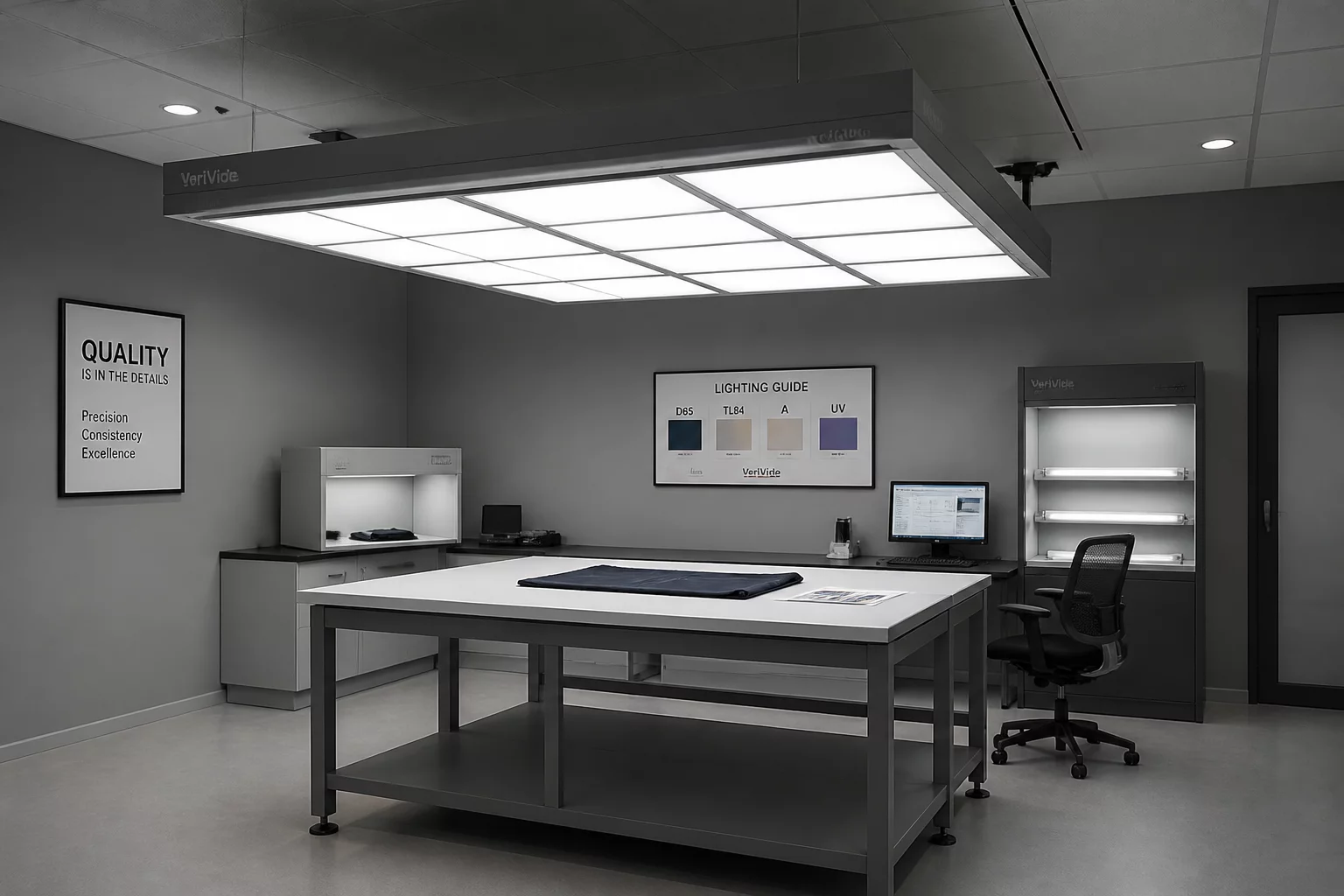
Visual assessments frequently degrade not because inspectors lack mastery of the defect rubric, but because appraisal surfaces operate under wildly disparate environmental conditions. Minor variations in spectral emission or secondary glare warp defect visibility. A microscopic fracture easily spotted beneath diffuse 5,000K daylight simulation disappears when viewed beneath warm directional fluorescent fixtures, yielding false acceptance rates that distort batch consistency metrics.
Without calibrated environmental conditions, human evaluators adjust intuitively: they tilt parts toward windows, lean over benches to block reflections, or rely on visual memory from earlier batches. Controlled experiments indicate that fluctuating ambient lux alone accounts for up to 32% of verdict reversals between morning and late-afternoon shifts, confirming that physical room geometry is an operational prerequisite rather than an aesthetic luxury.
Audit Your Inspection Room Setup
Connect directly with our QA researchers to benchmark your lighting panels, lux meters, and neutral viewing enclosures.
Neutralizing Secondary Sensory Distortions
Environmental design extends beyond overhead lumens. Workstation perimeter paint, clothing coloration, and workbench reflection dictate peripheral ocular adaptation. Highly saturated backdrops cast chromatic reflections onto tested components, tricking the human retina into overestimating or underestimating color deviations. Uniform neutral gray finishes insulate the eye from chromatic fatigue and false tint detection.
Operational Isolation Guidelines
Establishing repeatable assessment benchmarks requires quality teams to construct standardized physical assessment booths built around three architectural safeguards:
- Install micro-prismatic diffuser lenses to extinguish localized specular hot spots on metallic and polished composite parts.
- Isolate visual testing areas behind acoustic damping partitions to prevent sudden ambient spikes above 65 dBA that break focus.
- Lock digital inspection monitor brightness at 120 cd/m² and enforce bi-weekly sensor-based color profile recalibrations.
Request Standard Testing Guidelines
Get the complete environmental compliance checklist for manual optical inspection lines.
Key Environmental Takeaways
- Discrepant sorting verdicts frequently stem from lighting variance across shifts rather than inspector incompetence.
- Neutral Munsell gray surroundings prevent retinal color adaptation and eliminate peripheral reflection distortions.
- Standardizing sound, temperature, and lux profiles cuts inter-operator classification disagreement by over 25 percent.
Related Methodology Studies