QA & Inspection Consensus Study|1519 | North Highland Avenue Northeast | Atlanta | 30306 | United States
Inspection Criteria Case Study

When the Category DefinitionIs Too Broad

Taxonomy Creep Classification Drift Catch-All Buckets Threshold Granularity
When the Category Definition Is Too Broad
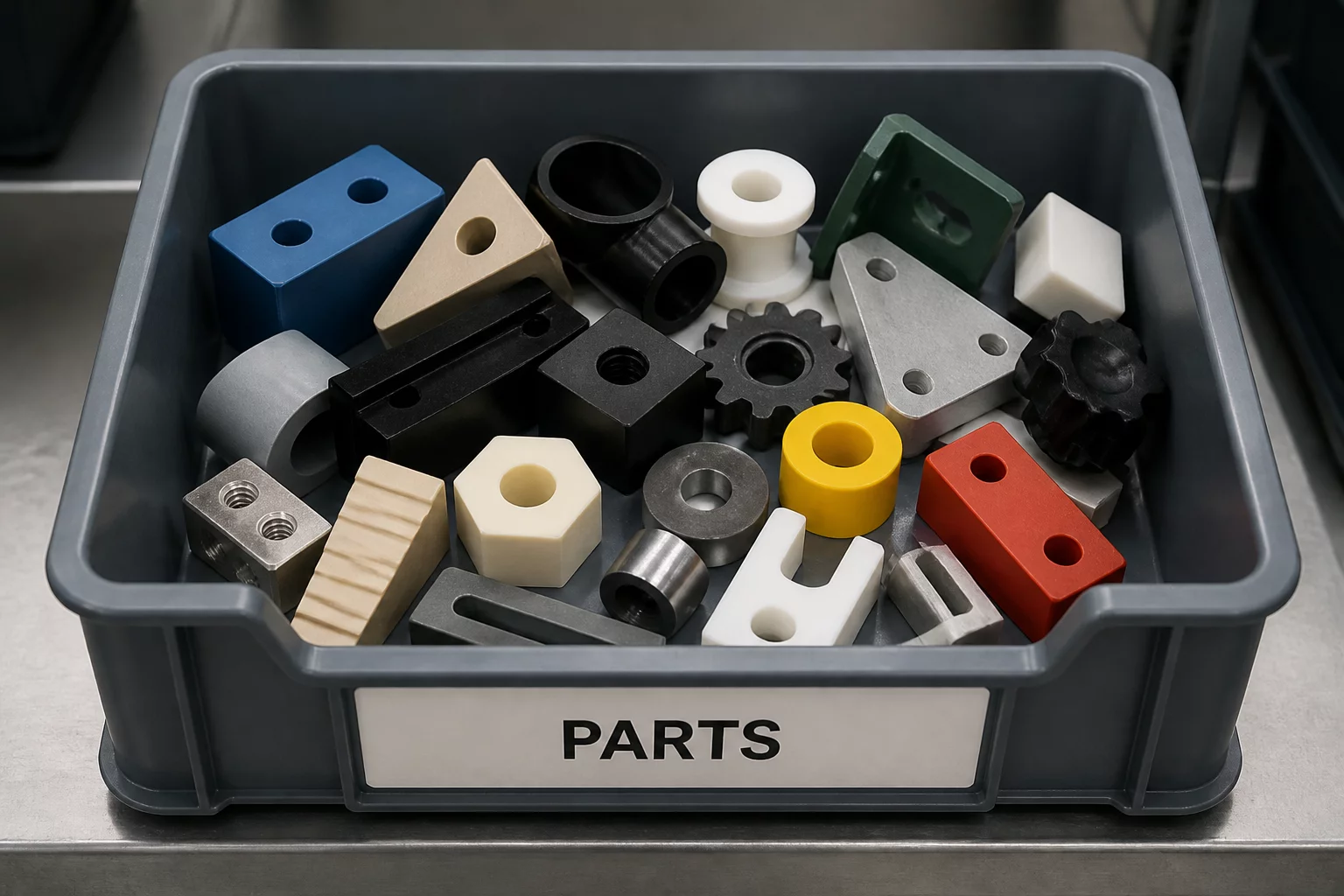
Overly broad classification buckets group disparate physical artifacts under a single label, complicating triage and root-cause tracing.

Key Audit Takeaways

  • Taxonomy Overload Masks Trends — Catch-all classifications like general surface irregularity conceal distinct manufacturing flaws such as chatter marks, micro-pitting, and flow lines.
  • Subjective Threshold Divergence — Evaluators assign disparate severity ratings when forced to classify distinct defect morphologies under one broad label.
  • Actionable Sorting Requires Granularity — Splitting ambiguous macro-categories into defined morphological sub-types restores inter-rater consensus above 92%.
Taxonomy Diagnostics

The Illusion of Simplicity in Umbrella Classifications

Inspection systems frequently start with streamlined taxonomies designed to prevent operator fatigue, yet umbrella labels inadvertently obscure decisive quality indicators.

During our comprehensive review across three shifts at an assembly facility, technicians relied heavily on an overarching designation termed "Cosmetic Surface Blemish." While intending to speed up pass-fail throughput on the primary line, this single category received over forty distinct visual phenomena ranging from superficial lubricant residue to subsurface metallurgical voids. Evaluators routinely debated whether a light polish mark belonged in the same operational bucket as deep structural micro-cracking.

The fundamental breakdown occurs when criteria depend on individual perceptual tolerance rather than discrete geometric or optical boundaries. One specialist treats minor texture variance as an acceptable natural artifact of injection molding, whereas another inspector logs every sheen difference under the umbrella defect code. Consequently, Pareto charts drawn from such aggregated data suggest massive process instability without providing engineers any clue regarding the actual tooling station responsible.

A classification bucket that holds everything ultimately explains nothing. The moment you compress five distinct physical mechanisms into one umbrella term, your statistical process control turns into guesswork.

— David Moore, Lead Quality Systems Auditor
Morphology & Boundaries

Resolving Broad Classes into Actionable Defect Archetypes

To eliminate classification drift and establish repeatable boundaries, inspection protocols must decouple defect origin, morphology, and dimensional severity into clear taxonomy layers:

  • Morphological Separation: Distinguish directional score marks from nondirectional pitting instead of lumping both into general mechanical abrasions.
  • Threshold Stratification: Set definite micron-scale depth and perimeter thresholds to demarcate allowable cosmetic blemishes from functional material rejections.
  • Origin-Linked Indexing: Connect visual symptom naming directly to the physical generation point, ensuring mold scratches and handling gouges stay distinctly cataloged.

Following the partition of the monolithic category into four targeted sub-classes supported by clear physical limit samples, inter-rater reliability climbed from 61% to 94% within three weeks. Clearer categories allow reviewers to make instant, unambiguous calls without hesitating over subjective definitions.

Peer Review Network

Benchmarking Taxonomy Precision in Your Production Line

Submit an inspection code taxonomy or boundary sample set to our technical audit team for detailed inter-rater variance analysis.

Inspection Q&A

Frequently Examined Questions

Clarifications on variance thresholds, calibration methods, and reviewer protocols.

Organizations frequently favor broader categories during initial rollout to shorten operator training periods and simplify reporting forms. Over time, however, these broad categories collect varied visual defects, making it difficult to pinpoint root causes.

Primary symptoms include declining inter-rater agreement scores on that specific code, widespread use of the category as an audit dumping ground, and recurring disputes between quality managers and line supervisors over whether a component truly fails.

Field observations demonstrate that well-defined, distinct categories actually accelerate throughput. Inspectors hesitate less when comparing a part against distinct, unambiguous reference boundaries instead of deliberating over vague, all-encompassing definitions.

Related Investigations

Parallel Quality Studies

Case Study 2026-09-25

One Item Three Possible Labels

Investigating how overlapping taxonomic categories allow identical parts to receive conflicting labels depending on auditor perspective.

Michael Brown Examine Case
Case Study 2026-10-10

The Difference Between Rating and Measuring

Comparing subjective qualitative visual grading against objective calibrated dimensional measurement systems.

Emily Taylor Examine Case